Melatonin Figures
9 figures from peer-reviewed research
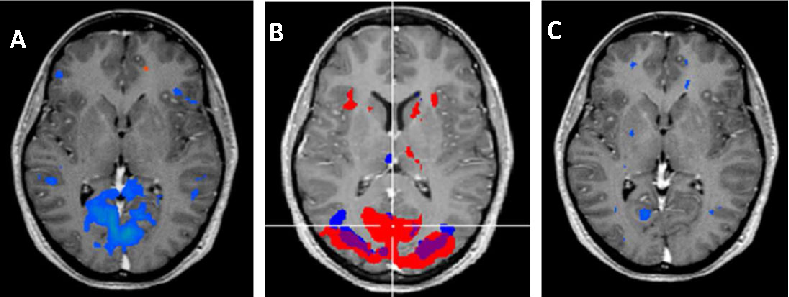
Circadian rhythm regulation involves a complex interplay between the central clock in the suprachiasmatic nuclei and peripheral oscillators throughout the body. Melatonin serves as the primary hormonal signal conveying darkness information to these systems.
New perspectives on the role of melatonin in human sleep, circadian rhythms …
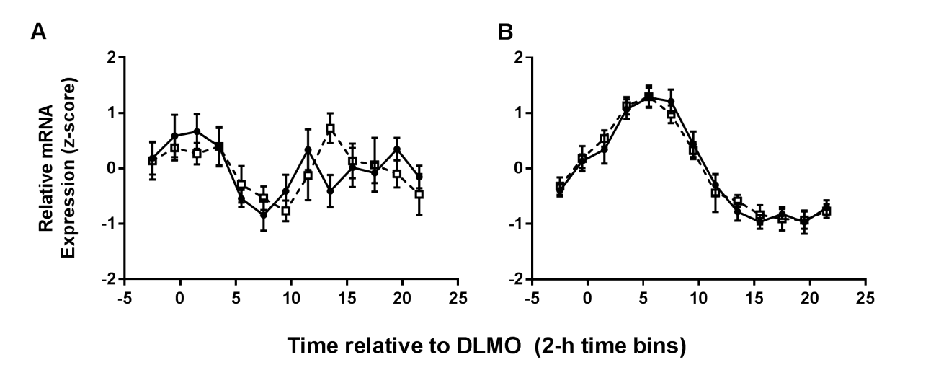
Summary model of how meal timing acts as a zeitgeber for peripheral clocks independent of the central suprachiasmatic nucleus pacemaker.
Meal Timing Regulates the Human Circadian System.
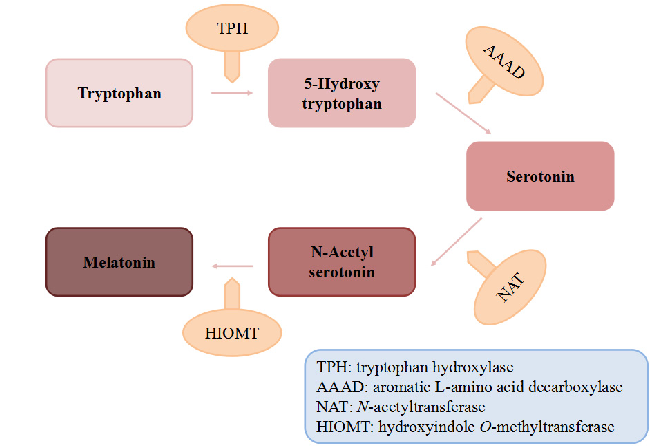
Biosynthetic pathway of melatonin from tryptophan is displayed, showing the sequential enzymatic steps through serotonin N-acetyltransferase and hydroxyindole-O-methyltransferase.
Dietary Sources and Bioactivities of Melatonin.
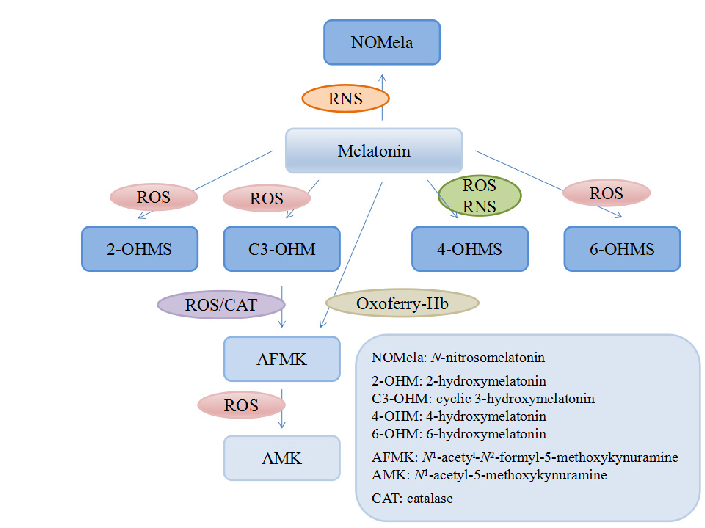
Melatonin and its metabolites including 6-hydroxymelatonin, AFMK, and AMK are structurally depicted, illustrating the biotransformation cascade.
Dietary Sources and Bioactivities of Melatonin.
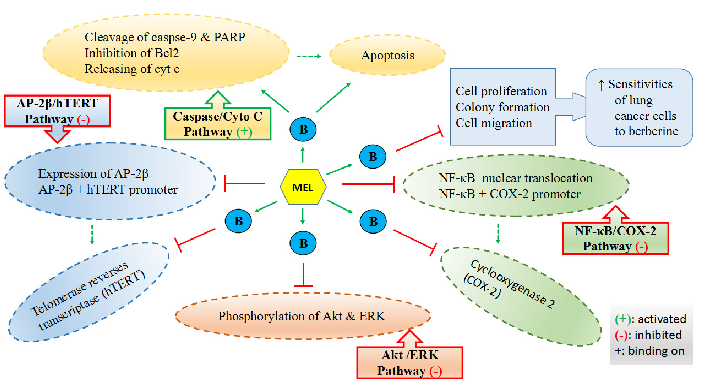
Mechanisms by which melatonin enhances lung cancer cell sensitivity to berberine are diagrammed, showing synergistic effects on apoptotic and autophagic pathways.
Dietary Sources and Bioactivities of Melatonin.
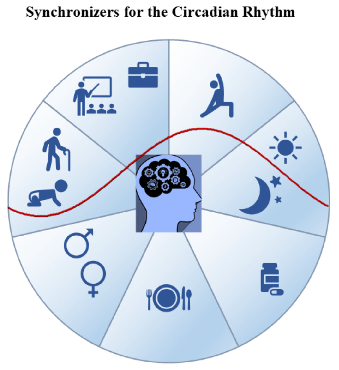
Factors influencing the rest-activity circadian rhythm and the sleep-wake cycle are mapped, encompassing light, melatonin, physical activity, and social timing cues.
Biological Rhythm and Chronotype: New Perspectives in Health.
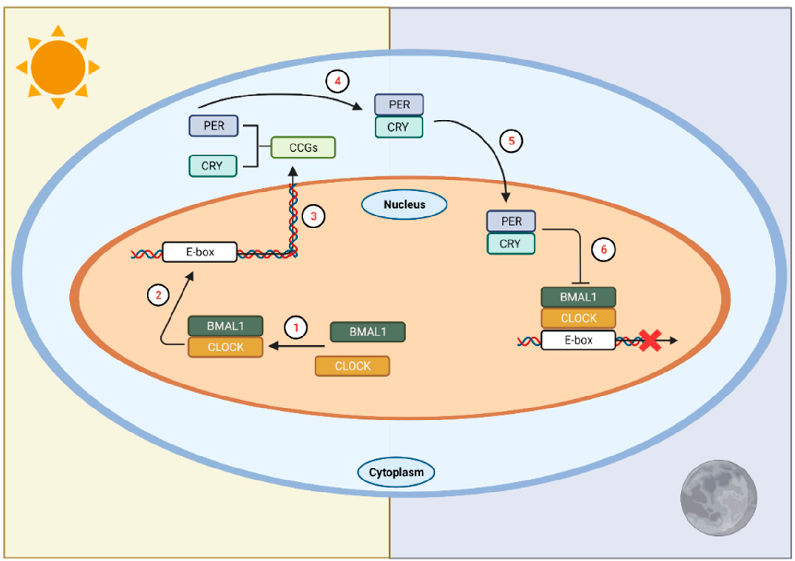
Metabolic consequences of circadian disruption include altered glucose tolerance, lipid metabolism, and energy balance. This figure summarizes the pathophysiological links between circadian misalignment and metabolic disease risk.
Circadian Rhythms Disrupted by Light at Night and Mistimed Food Intake Alter …
![Figure 1. The iRISA syndrome [76] in addiction is centrally controlled by dopamine in the brain, while asynchronization, presumed to be linked to cue sensitivity in digital addiction [50–54], is centrally controlled by serotonin. A deficit in both neurotra](https://pdfs.citedhealth.com/figures/35682491/101.png)
The impaired Response Inhibition and Salience Attribution (iRISA) syndrome model is illustrated, showing how dopamine-mediated reward pathways in the brain drive cue sensitivity in digital addiction and contribute to sleep disruption.
Digital Addiction and Sleep.
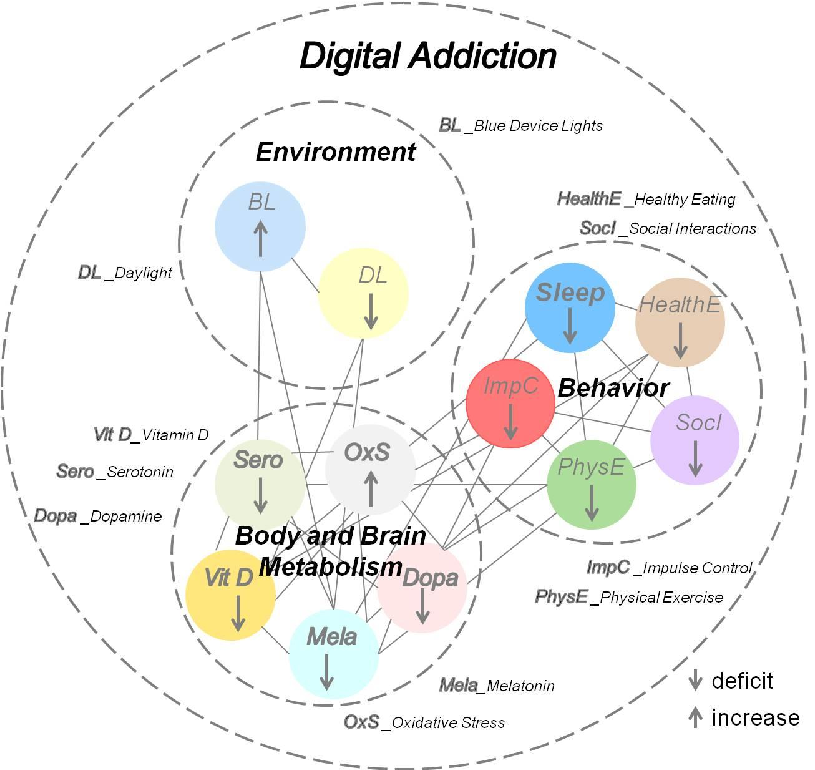
Neurobiological mechanisms linking excessive digital device use to disrupted sleep architecture are outlined, connecting screen-mediated blue light exposure and dopaminergic reward activation to circadian rhythm disturbances.
Digital Addiction and Sleep.