Descripción
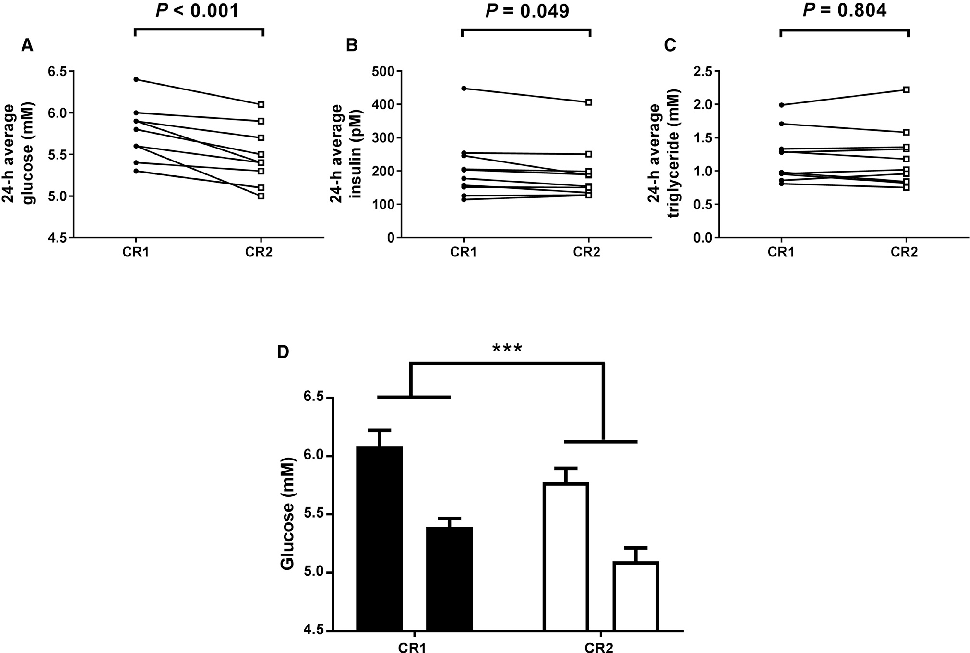
Plasma glucose concentrations during constant routine conditions show a significant reduction after participants experienced delayed meal times, indicating that meal scheduling influences circadian glucose regulation.
More Figures from This Paper
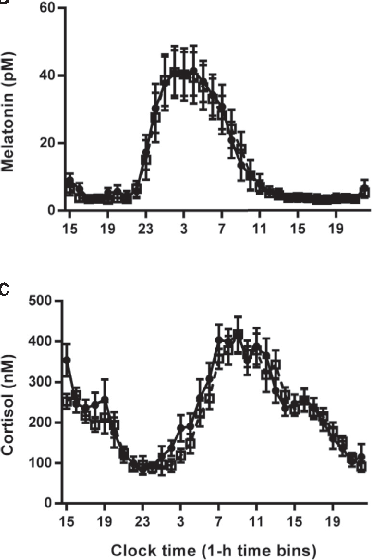
Figure 3
Hormonal response profiles to standardized meals are compared between normal and delayed meal timing conditions, revealing shifts in metabolic hormone rhythms.
chart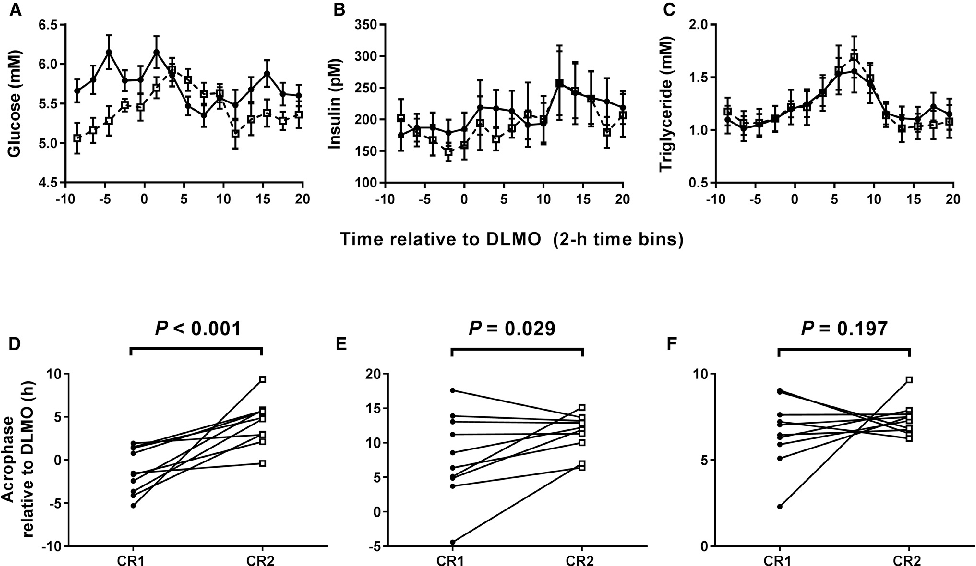
Figure 4
Average plasma glucose concentration under constant routine conditions is reduced following a 5-hour delay in meal times, suggesting meal timing significantly influences glucose metabolism rhythms.
chart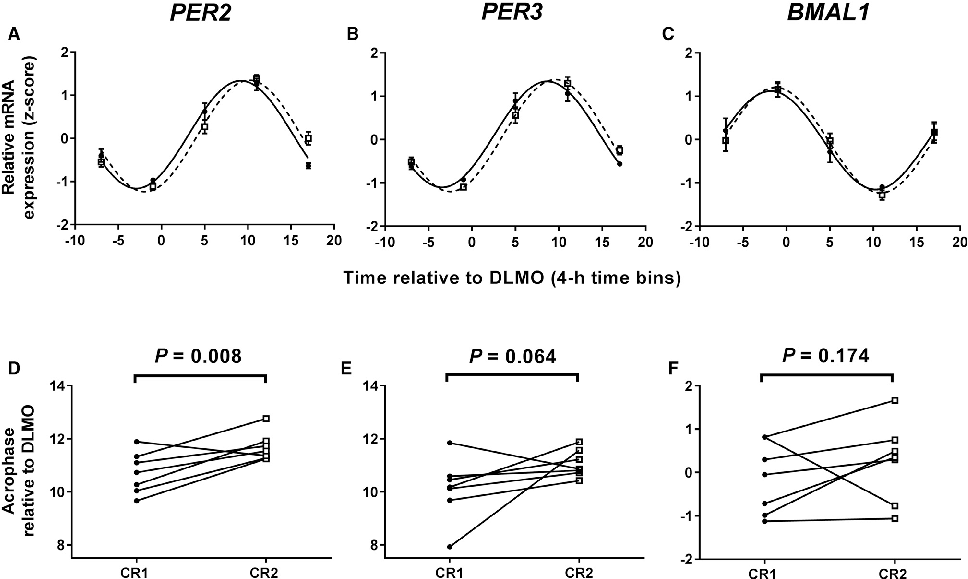
Figure 5
Core body temperature rhythms are displayed across experimental conditions, demonstrating that meal timing shifts selectively affect peripheral but not central circadian markers.
chart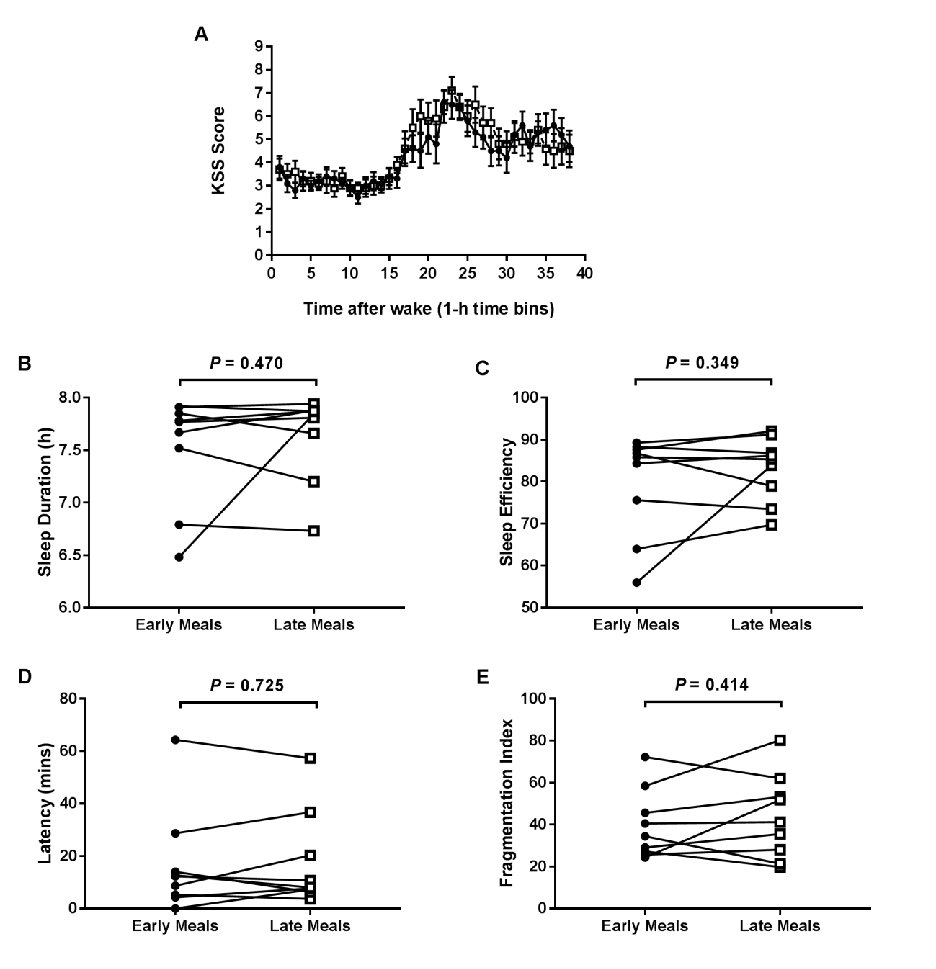
Figure 7
Clock gene expression patterns in adipose tissue are compared between the two meal timing conditions, revealing tissue-specific circadian phase shifts.
chart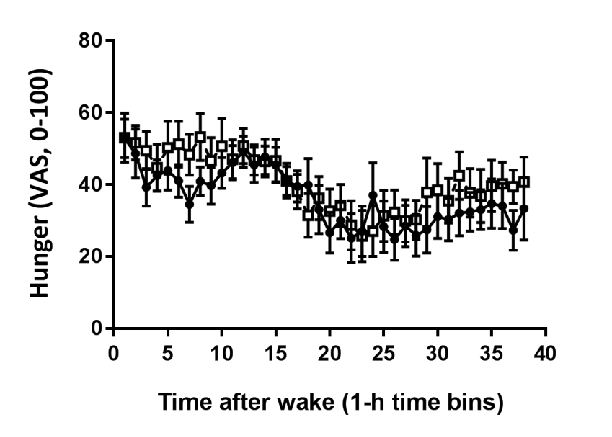
Figure 8
Per2 and other clock gene transcript levels measured from peripheral blood samples demonstrate delayed phase alignment consistent with the shifted meal schedule.
chart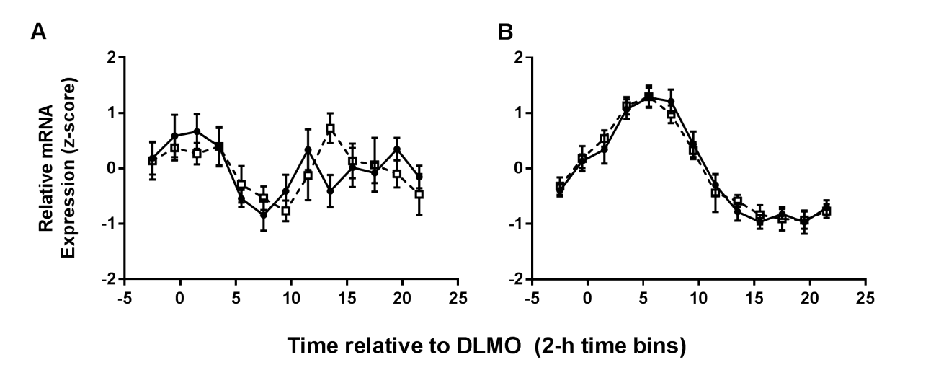
Figure 9
Summary model of how meal timing acts as a zeitgeber for peripheral clocks independent of the central suprachiasmatic nucleus pacemaker.
diagramCite This Figure
 > Source: Sophie M T Wehrens et al. "Meal Timing Regulates the Human Circadian System.." *Current biology : CB*, 2017. PMID: [28578930](https://pubmed.ncbi.nlm.nih.gov/28578930/)
<figure>
  <img src="https://pdfs.citedhealth.com/figures/28578930/269.png" alt="Plasma glucose concentrations during constant routine conditions show a significant reduction after participants experienced delayed meal times, indicating that meal scheduling influences circadian glucose regulation." />
  <figcaption>Figure 6. Plasma glucose concentrations during constant routine conditions show a significant reduction after participants experienced delayed meal times, indicating that meal scheduling influences circadian glucose regulation.<br>  Source: Sophie M T Wehrens et al. "Meal Timing Regulates the Human Circadian System.." <em>Current biology : CB</em>, 2017. PMID: <a href="https://pubmed.ncbi.nlm.nih.gov/28578930/">28578930</a></figcaption>
</figure>